
Nightlife is built on moments—sound, lighting, energy, and the feeling that the room is “alive.” But behind every great night is a building that can take a beating: crowds, heat loads, condensation, late-night cleanups, delivery schedules, and unpredictable weather. That’s why, when we started digging into what separates venues that thrive from venues that constantly feel like they’re patching problems, we worked with Metal Roofing Pensacola LLC to look at one of the most overlooked parts of nightlife operations: the roof.
At first, it sounds like two different worlds—nightclubs and metal roofing. In reality, they overlap in the exact places that matter to venue owners and managers: safety, reliability, energy costs, noise control, and resilience. A roof isn’t just a “building component.” It’s the protective system that keeps your calendar intact, your sound system safe, and your next big event from turning into a refund nightmare.
1) WHY NIGHTCLUBS ARE HARD ON BUILDINGS
Nightclubs run hot. Between bodies, lighting, kitchen or bar equipment, and amplified sound systems, the interior environment is more intense than a typical retail space. That intensity exposes weaknesses quickly—especially when moisture and temperature swings meet an aging roof.
A small roof leak doesn’t stay small in a venue. Water can travel along ducting, drop into ceiling cavities, stain finishes, damage acoustic treatments, and threaten electrical systems. If you’ve ever had to cancel a night due to “unexpected building issues,” you already understand the real cost: not just repairs, but lost ticket revenue, staff disruption, and reputation drag.
The goal isn’t perfection. The goal is reducing the number of “surprises” that force you into reactive mode.
2) WEATHER, WATER, AND THE REAL RISK: EVENT CANCELLATIONS
Venues don’t get to reschedule weather. If you’re promoting events weeks in advance, your building must hold up on the exact night you need it. That’s why roof performance is a business continuity issue.
For clubs in coastal or storm-prone regions, resilience planning matters even more. Ready.gov’s guidance on preparing for hurricanes is a practical reminder that it’s not just the storm that hurts—it’s the aftermath: water intrusion, power disruption, and delayed repairs when every contractor is booked solid. Building upkeep and preventative inspections are the unglamorous steps that keep your venue from being part of that scramble. (If your venue operates in hurricane-affected regions, it’s worth reviewing preparedness basics at https://www.ready.gov/hurricanes.)
This is where roofing strategy becomes operational strategy. Your roof should be treated like a core asset—maintained proactively, inspected after major weather, and upgraded when patching becomes a recurring routine.
3) SOUND, VIBRATION, AND “THE ROOM FEEL”
Every nightclub owner knows the difference between “loud” and “good.” The room feel depends on how sound moves, how low frequencies behave, and how much external noise creeps in. Roofing choices can influence this more than people expect, particularly when you’re managing a building that needs to keep sound inside without turning the interior into a harsh echo chamber.
While roofing isn’t your primary acoustic treatment, it is part of the shell of the building. A tighter, well-maintained roof assembly helps reduce unwanted airflow paths and water-related degradation that can ruin ceiling materials and insulation layers over time. When ceilings sag, tiles warp, or insulation gets damp, acoustics often degrade right alongside aesthetics.
A venue that sounds better tends to perform better. The crowd stays longer, staff stress goes down, and DJs and performers talk about the room in a positive way. Infrastructure supports experience, even if guests never notice it directly.
4) ENERGY COSTS: YOUR ROOF IS A UTILITY-BILL DECISION
Nightclubs have brutal energy profiles—especially during peak hours. Cooling loads rise quickly, humidity spikes, and HVAC systems work overtime to keep the room comfortable enough that guests stay, not just endure.
A roof impacts that cost through heat gain, ventilation performance, and how well the building envelope stays sealed under stress. Reflective finishes, proper insulation, and a roof system built to reduce thermal transfer can stabilize interior conditions and reduce HVAC cycling. That isn’t only about saving money—it’s about preventing breakdowns on your busiest nights.
This is also why durable solutions matter. The cheapest roof can become the most expensive roof if it triggers repeated repairs, interior damage, and energy inefficiency year after year. Venues that treat energy like a controllable variable—not a fixed penalty—tend to win long term.
5) SAFETY AND MAINTENANCE: DO IT RIGHT, OR IT GETS EXPENSIVE
Nightclubs are public-facing spaces, which means safety expectations are higher and consequences are sharper. Even “back-of-house” maintenance can become a liability if it isn’t handled correctly.
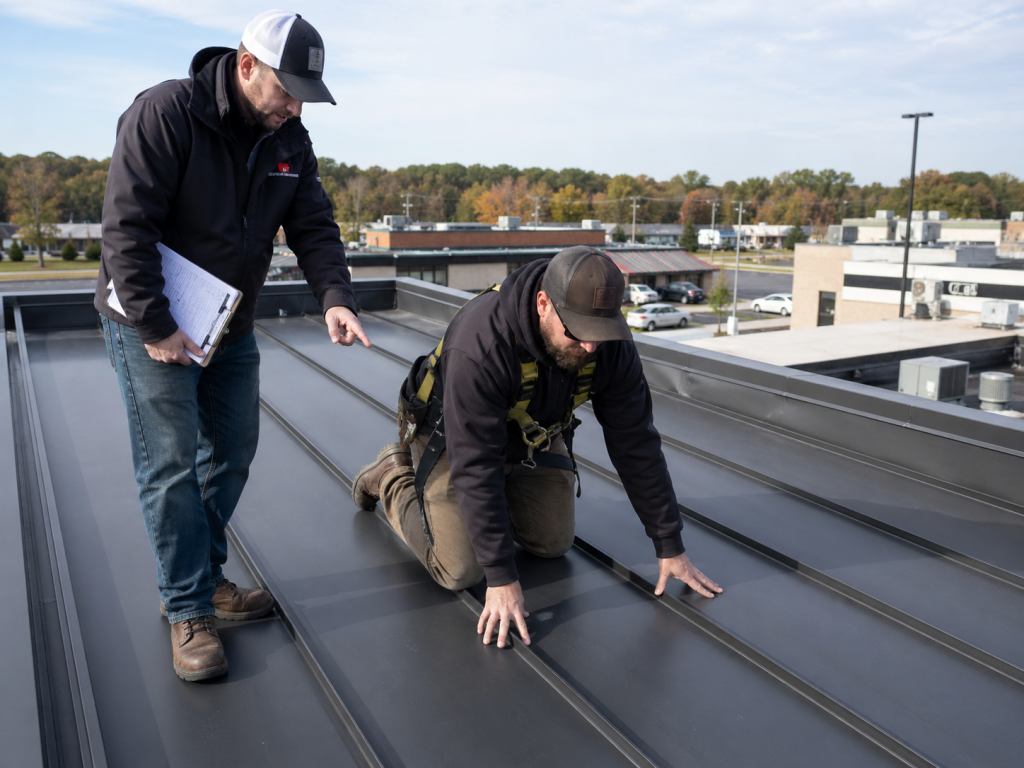
Roof inspections and repairs are a good example: falls are among the most serious workplace hazards, and any time staff or contractors access a roof, safety practices matter. OSHA provides clear guidance on fall protection in construction work (including roof work), and it’s worth understanding the baseline expectations even if you outsource the job: https://www.osha.gov/fall-protection.
Here’s a simple way to think about roof-related maintenance culture in a venue. You don’t need to become a roofing expert, but you do need a repeatable process:
- Schedule inspections (especially after storms) and track findings
- Fix small issues immediately, before they become “ceiling problems”
- Keep documentation for insurance, ownership, and future buyers
- Use qualified professionals for roof work instead of improvising
That list is boring on purpose—and that’s the point. Boring maintenance is what keeps show nights exciting.
6) BRAND IMAGE AND FIRST IMPRESSIONS: THE EXTERIOR STILL SELLS THE NIGHT
A nightclub’s brand starts before anyone hears the music. Guests notice the facade, the entry experience, the lighting, and whether the building looks intentional or neglected. Water stains, warped signage, stained soffits, and recurring exterior damage quietly reduce perceived quality—even if your interior experience is strong.
A roof that performs consistently helps preserve the rest of the exterior. It protects edges, prevents visible runoff damage, and reduces the chance of ongoing “patchwork fixes” that make a building look tired. This is one of the least discussed links between roofing and marketing: the building is part of the brand story.
If you’re building a venue that aims to feel premium, the exterior can’t look like it’s fighting the building itself.
7) THE TAKEAWAY: NIGHTLIFE NEEDS RELIABILITY, NOT JUST HYPE
Venues live and die by momentum. You can’t build momentum if your building keeps interrupting your schedule. That’s why it makes sense to treat infrastructure as part of your nightlife strategy—and why the perspective from Metal Roofing Pensacola LLC translates cleanly into the venue world. A dependable roof protects your calendar, your sound investment, your staff workflow, and your guest experience.
Nightclubs are designed for energy and unpredictability inside the room. The building itself should be the opposite: stable, resilient, and quietly dependable. When that foundation is right, you’re free to focus on what actually makes a venue legendary—music, culture, and nights people talk about long after the lights come up.